Reducing Neutral Oil Loss in Gums | Clarivane
A practical refinery-manager guide to tracking neutral oil loss in gums during edible oil degumming, including centrifuge behavior, phosphorus targets, yield impact, and trial planning.
Request pricing A practical refinery-manager guide to tracking neutral oil loss in gums during edible oil degumming, including centrifuge behavior, phosphorus targets, yield impact, and trial planning.
Request pricingIn edible oil refining, the conversation around degumming often starts with phosphorus. It should not end there.
For refinery managers, the bigger commercial question is usually this: how much saleable neutral oil is leaving the process with the gums, wet sludge, or centrifuge discharge? Every extra fraction of oil trapped in hydrated phospholipids, unstable emulsions, or heavy phase carryover affects yield, soapstock load, downstream bleaching demand, and the daily production balance.
Clarivane supports refineries that want enzyme-assisted degumming to do more than hit a lab number. As an enzyme supplier for edible oil degumming, we focus on the operating window: phosphorus reduction, separation behavior, oil recovery, dosing control, water handling, and repeatable plant performance.
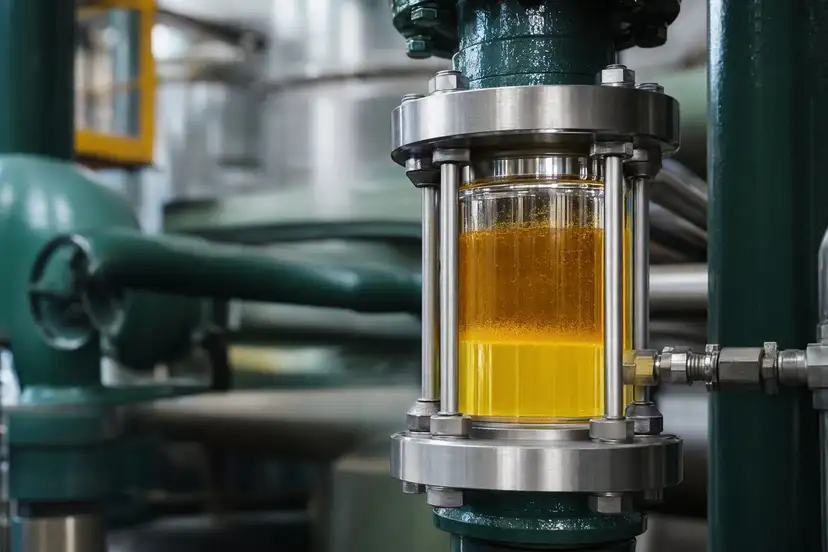
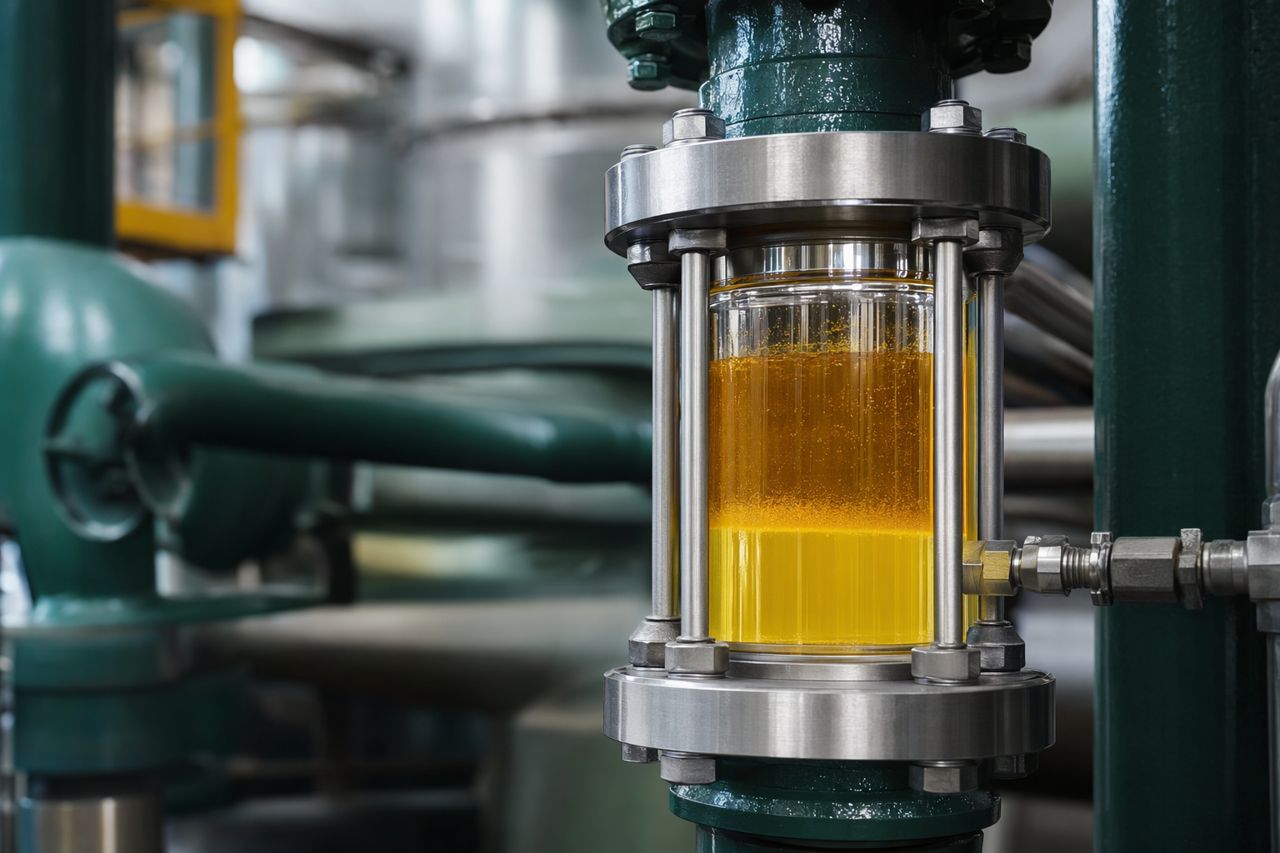
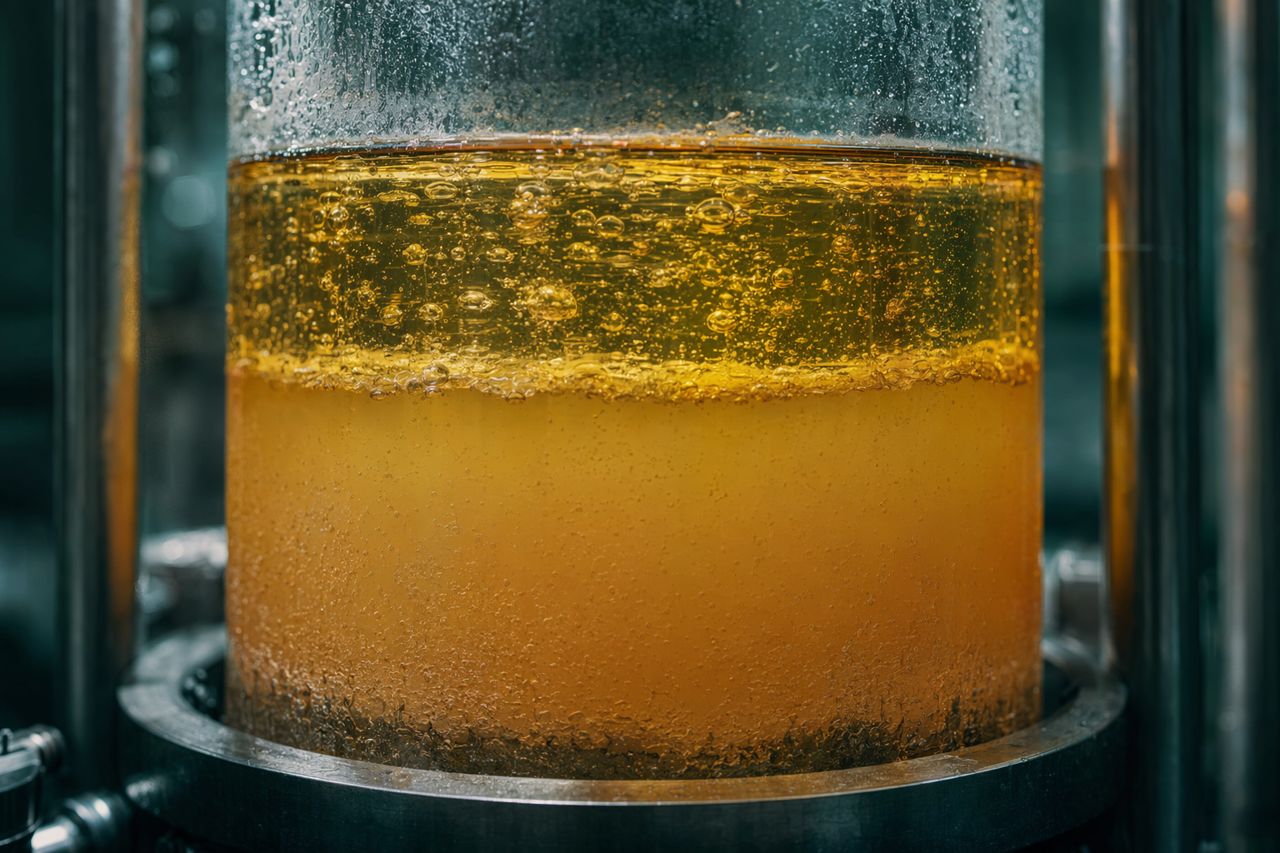
Gums are not just impurities. They are a moving mixture of phospholipids, water, fine solids, entrained oil, metal complexes, and process variability from the crude oil supply. When degumming is not under control, this phase can hold significant neutral oil.
That loss may be visible in several ways:
The target is not simply to make more gums. The target is to move phosphorus out while keeping neutral oil in the main oil stream.
Traditional water or acid degumming can be effective, but performance depends heavily on crude quality, hydration behavior, mixing, temperature control, residence time, and centrifuge set-up. Poorly conditioned gums can trap oil. Over-aggressive water addition can build emulsions. Insufficient conditioning can leave phosphorus behind.
Enzyme-assisted degumming gives refineries another lever. By modifying phospholipid behavior, the process can improve separation and help reduce neutral oil entrainment in the gum phase when the system is correctly managed.
For managers, the useful question is not whether enzymes work in theory. It is whether the enzyme program can be integrated into the refinery’s actual process constraints:
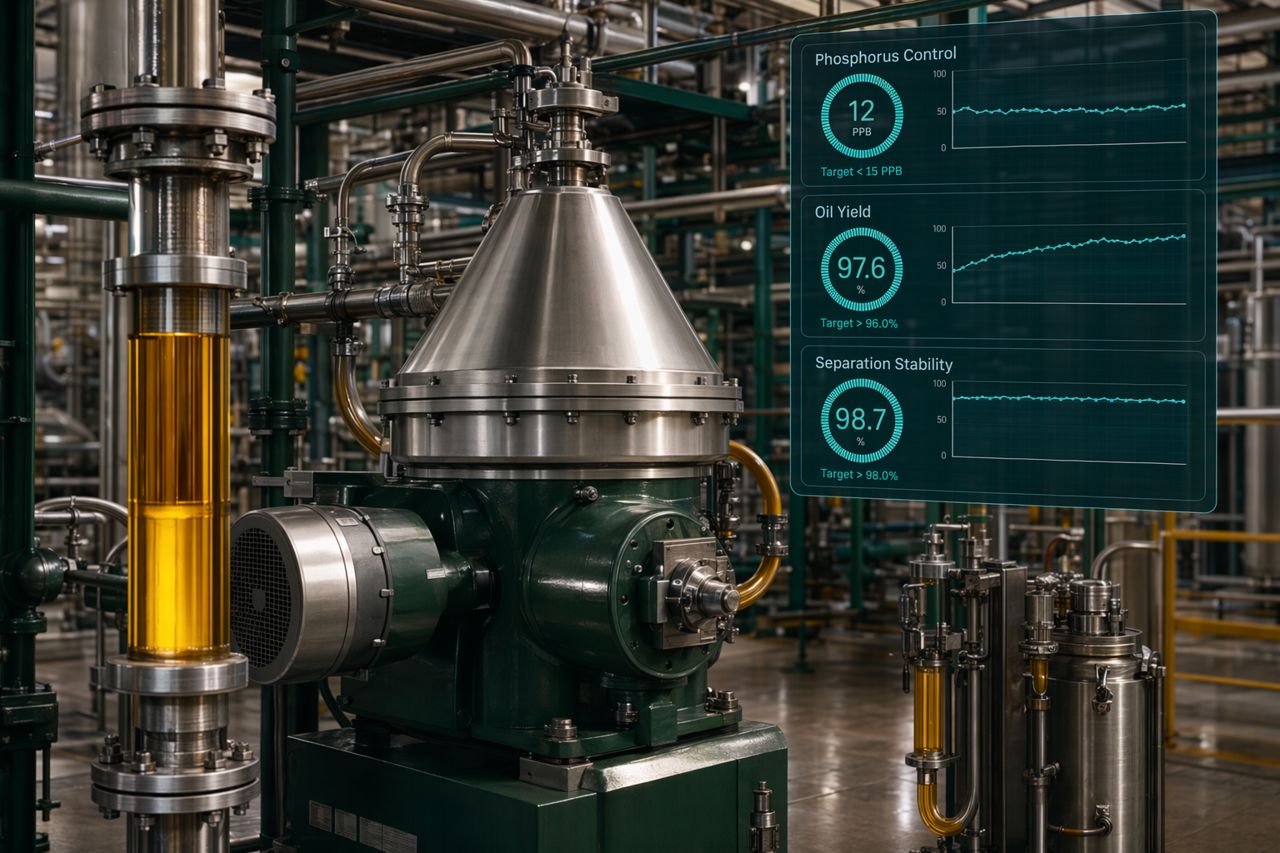
Phosphorus remains the primary control point. Refinery teams typically monitor incoming crude oil phosphorus, post-degumming phosphorus, and the stability of those results over time. A useful enzyme degumming trial should show not only lower phosphorus, but also narrower variation under normal production conditions.
Clarivane does not recommend judging performance from a single best-case sample. The better indicator is consistent phosphorus control across shifts, crude lots, and throughput changes.
Neutral oil loss is where yield value becomes visible. Refineries should track the oil associated with gum or sludge discharge and connect it to mass balance, crude intake, and finished-oil yield.
Useful observations include:
The commercial value often comes from small, steady improvements multiplied across daily tonnage.
Centrifuges tell the truth quickly. When degumming chemistry, hydration, and separation are aligned, operators often see a more stable interface and fewer corrective interventions.
Signs worth recording during a trial:
A process that only performs when one experienced operator is watching it closely is not yet robust.
Water is essential to degumming, but unmanaged water addition can push a refinery toward emulsions, higher discharge volume, and oil carryover. Enzyme-assisted programs should be evaluated with practical water targets in mind.
The best results normally come from disciplined control rather than maximum addition. Refinery teams should monitor whether the process allows cleaner separation with controlled water use, stable hydration, and predictable centrifuge load.
Degumming performance shows up later in the refinery. If residual phosphorus is lower and gum separation is cleaner, the plant may see benefits in bleaching earth demand, filterability, color control, deodorizer stability, or physical refining readiness.
These outcomes depend on the full refinery configuration, but they should be part of the trial discussion. A strong enzyme program should improve the upstream separation without creating hidden downstream penalties.
Neutral oil loss in gums is usually caused by a combination of chemistry and mechanics. Enzyme degumming can help where phospholipid modification improves the separation profile and reduces the tendency of the gum phase to hold valuable oil.
The largest opportunities are often found in refineries dealing with:
The objective is not to sell a generic additive. The objective is to build an operating program that the refinery can run consistently.
A credible trial starts with the plant’s own constraints. Clarivane typically aligns with refinery teams on process goals, available equipment, current degumming baseline, target phosphorus range, sampling points, and yield-accounting expectations before recommending a trial structure.
A practical trial plan should define:
We avoid publishing proprietary dosing rules or assay details because refinery conditions differ. The right program depends on crude quality, process layout, separation equipment, and the commercial target.
A successful enzyme degumming program should be visible in both data and operation. Refinery managers should expect evidence such as:
In other words, the value is not only the enzyme. The value is the combination of enzyme performance, process accountability, and supply reliability.
A low phosphorus result is important, but if the gum stream is carrying too much neutral oil, the economics may still be weak. Yield must be part of the performance review.
A brief test can miss crude variation, operator effects, and separator behavior under normal plant stress. Refinery trials should be long enough to reflect real operations.
If operators are constantly adjusting the separator to hold performance, the chemistry may not be fully aligned with the mechanical system.
More water can sometimes improve hydration, but it can also increase gum volume, emulsion risk, and oil carryover. Water strategy should be controlled, not guessed.
Neutral oil saved from the gum phase has direct value. The business case should convert performance changes into daily, monthly, and annual refinery economics.
Enzyme degumming becomes part of the refinery’s production rhythm. Once a plant depends on an enzyme program to meet phosphorus and yield targets, inconsistent supply can disrupt operations.
Clarivane’s role is to support refinery teams with dependable product availability, technical alignment, and trial-to-commercial continuity. We understand that refinery managers are not buying a laboratory concept. They are protecting throughput, margin, and customer commitments.
If your plant is reviewing phosphorus control, oily gum discharge, centrifuge instability, or yield loss during degumming, Clarivane can help structure a practical enzyme degumming discussion.
Use the on-site request a quote form and include your crude oil type, current degumming approach, target phosphorus range, centrifuge configuration, and the main yield issue you want to solve. A Clarivane specialist will respond with next steps for product fit, trial planning, and supply requirements.
Tell us your application and volume — we reply with pricing and lead time.