Gums, Soapstock, and By-Product Economics in Vegetable Oil Refining
In vegetable oil refining, gums and soapstock are not just waste streams. They are operating signals, yield levers, centrifuge loads, and commercial by-products that affect the refinery margin every day.
For refinery managers, the question is not simply how much residue leaves the plant. The better question is: how much neutral oil is leaving with it, how stable is the separation, and how predictable is the downstream value?
As an enzyme supplier for edible oil degumming, Clarivane focuses on the process point where these economics begin: phospholipid conversion, hydration behavior, dosing control, and centrifuge performance before losses become locked into by-product streams.
Why by-product economics start in the degumming section
Crude vegetable oil carries phospholipids, trace metals, moisture, solids, and minor impurities. When the oil moves into water degumming, acid degumming, enzymatic degumming, or chemical refining, these components determine how much material is separated as gums or soapstock.
That separation is necessary. The commercial issue is whether the separated phase is carrying too much valuable oil.
Poorly controlled degumming can create:
- High phosphorus entering neutralization or bleaching
- Heavy emulsion layers at the centrifuge
- Increased oil-in-gums or oil-in-soapstock
- Slower separation and unstable discharge behavior
- Higher caustic demand in chemical refining
- Extra load on wastewater and acidulation systems
- Less predictable by-product quality for downstream processors
A stable degumming program should reduce the impurity burden while protecting neutral oil yield.
Gums versus soapstock: different streams, different value logic
Gums
Gums are primarily associated with degumming. Depending on oilseed source, process route, and hydration chemistry, they may be directed toward lecithin-related applications, acid oil recovery, feed-related use, or other downstream handling.
Their value depends on consistency. If gums are variable, watery, overloaded with entrained oil, or difficult to pump, the by-product buyer discounts the stream or the refinery pays for more handling.
Enzymatic degumming can support cleaner separation by converting difficult phospholipids into forms that are easier to partition out of the oil phase. The commercial target is not simply more gums. It is controlled gums with lower neutral oil drag.
Soapstock
Soapstock is mainly created during alkali neutralization. It contains soaps, water, impurities, and entrained oil. In chemical refining, soapstock volume and composition are directly linked to caustic use, free fatty acid removal, emulsion behavior, and centrifuge efficiency.
If upstream phosphorus remains high, neutralization often becomes less forgiving. More caustic, more emulsification, and more separator stress can push neutral oil into soapstock.
For plants that sell, acidulate, or internally process soapstock, this matters. A larger by-product stream is not automatically better if it represents lost refined oil yield.
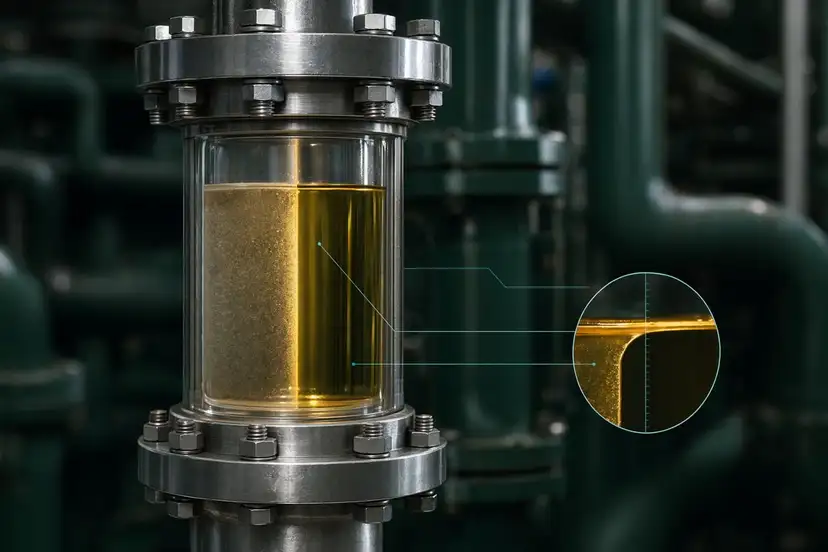
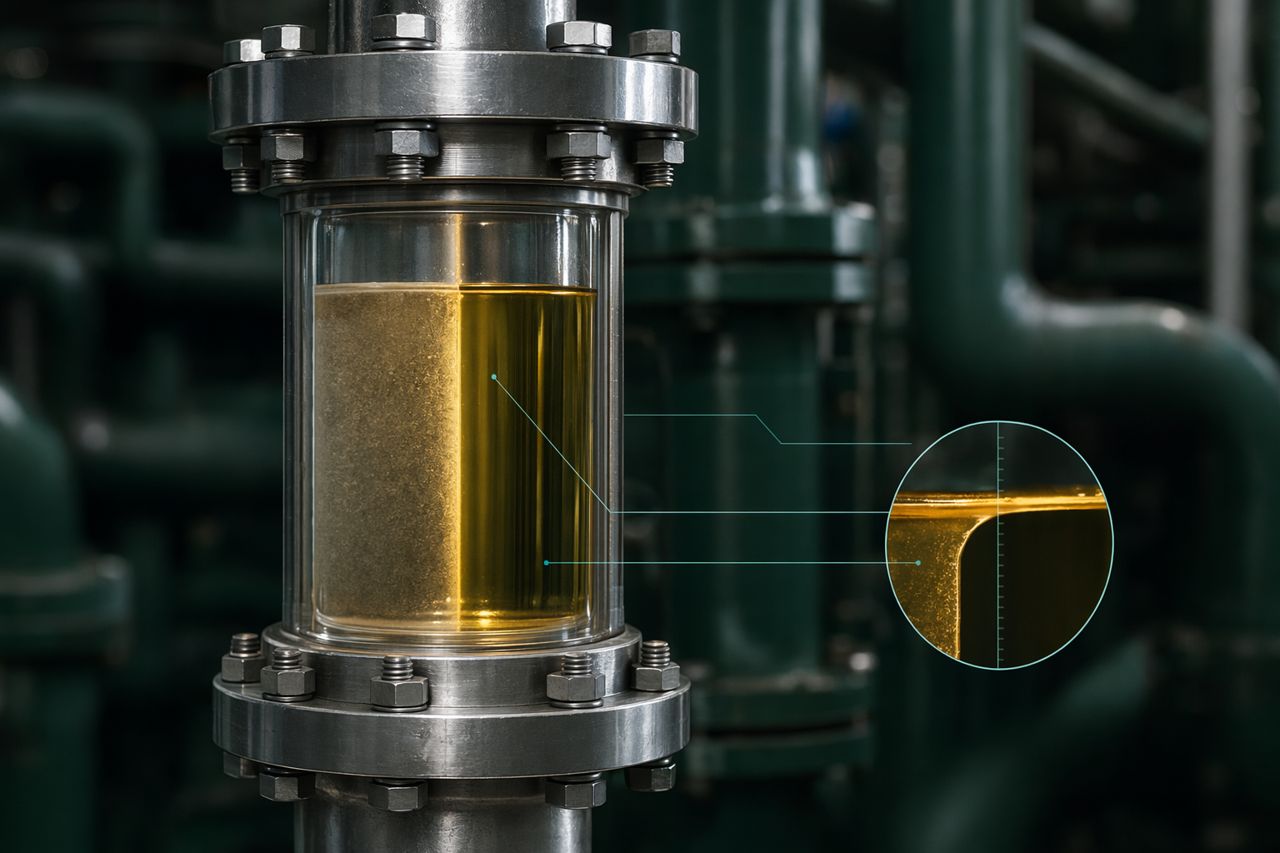
The refinery margin is often hidden in the interface layer
Operators know the moment: the separator is running, the oil looks close, but the interface is nervous. A small change in water, acid, temperature, dose, mixer intensity, or crude oil quality shifts the discharge pattern.
That interface layer is where margin is often lost.
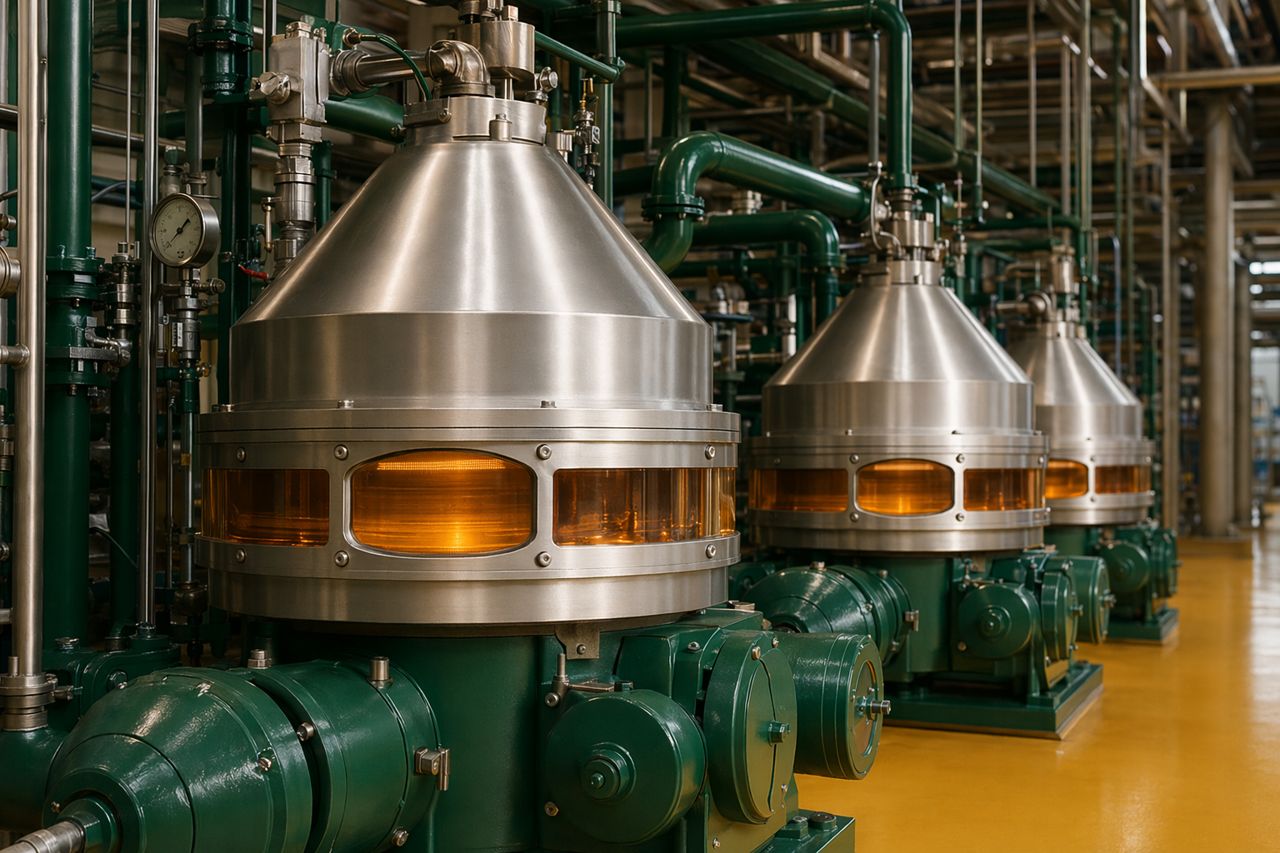
When phospholipids are incompletely converted or poorly hydrated, the centrifuge may show:
- Cloudy clarified oil
- Slow phase break
- Increased rag layer formation
- Variable heavy-phase discharge
- Higher sludge handling load
- More frequent operator intervention
These conditions can quietly increase neutral oil loss. Even when production continues, the plant may be paying through yield loss, rework, chemicals, bleaching earth demand, or downtime risk.
How enzymatic degumming changes the economics
Enzymatic degumming is used to improve phosphorus removal and reduce neutral oil losses versus more aggressive chemical routes. The enzyme does not replace plant discipline. It gives the refinery a better conversion tool when paired with correct pretreatment, mixing, retention, temperature, and separation control.
For the economics of gums and soapstock, the key effects are:
1. Lower phosphorus burden downstream
When phospholipid conversion is effective, the oil entering bleaching or physical refining can be easier to manage. This supports more predictable phosphorus targets and can reduce corrective action later in the process.
2. Reduced neutral oil loss
A well-run enzymatic program is designed to separate impurities without pulling unnecessary neutral oil into the gums phase. For many refineries, this is the main commercial driver.
3. Better centrifuge behavior
Refineries do not buy enzymes for a brochure claim. They buy a process outcome. Stable interface control, manageable heavy phase, and repeatable discharge behavior are practical signs that the program is working.
4. Improved flexibility across crude oil variation
Crude oil quality shifts by origin, season, storage condition, and upstream extraction practice. A controlled enzyme program can help the refinery absorb some of that variability without constantly escalating chemical correction.
5. Cleaner by-product decision-making
When gums and soapstock streams are more predictable, commercial teams can negotiate, acidulate, blend, or route by-products with better confidence. That is a business advantage as much as a processing advantage.
What downstream by-product processors care about
By-product processors do not want surprises. They want material that behaves consistently in tanks, pumps, heating, splitting, and recovery.
They may evaluate:
- Water content and handling behavior
- Free oil and recoverable fatty matter
- Impurity load
- Pumpability and storage stability
- Batch-to-batch consistency
- Contamination risk
- Seasonality and supply reliability
Refinery managers who can produce stable by-product streams have more leverage. The enzyme program should therefore be judged not only by oil clarity, but also by how it changes the economics of what leaves the plant.
Where plants lose money without noticing
Losses are not always visible as a single large failure. They often appear as small, repeated penalties:
- Extra caustic to compensate for upstream carryover
- More bleaching earth to correct residual impurities
- Higher oil content in gums or soapstock
- More wastewater treatment load
- Longer settling or recirculation time
- More separator cleaning or adjustment
- Lower by-product price due to inconsistency
- Reduced physical refining readiness
A refinery can meet production volume and still leak margin through these routes.
Trial design: what Clarivane looks at before recommending an enzyme program
Clarivane approaches edible oil degumming as a plant trial with process accountability. Before recommending a product and dose window, we look at the operating context.
Key inputs include:
- Crude oil type and origin
- Current degumming route
- Starting and target phosphorus levels
- Temperature profile
- Acid and water addition points
- Mixer configuration and retention time
- Centrifuge type and current operating symptoms
- Existing neutral oil loss concerns
- Downstream refining route
- Current gums or soapstock handling practice
- Supply format, storage, and dosing requirements
This is how enzyme selection becomes practical. The goal is not to add a new variable to the plant. The goal is to create a controlled operating window that operators can run shift after shift.
Practical signs that the by-product economics are improving
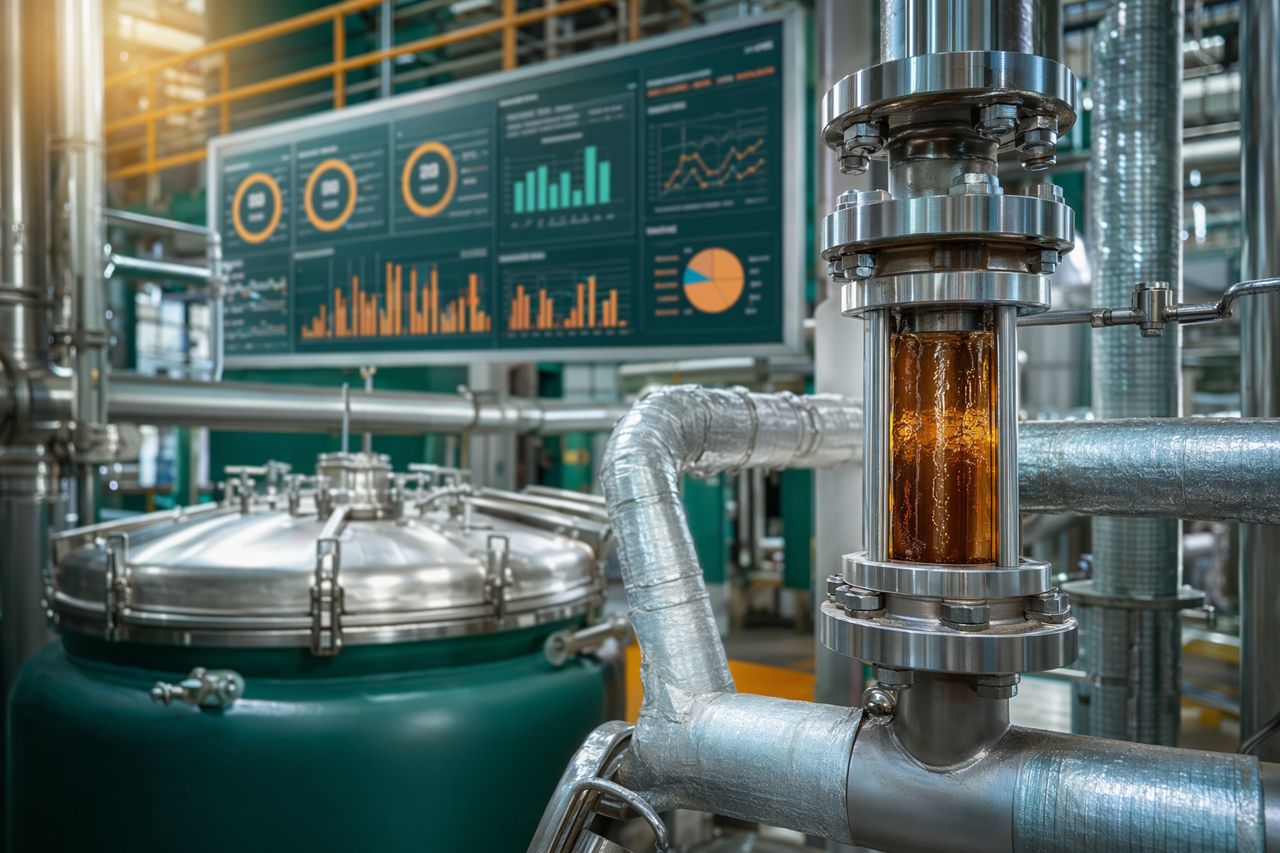
During a plant trial, refinery teams should watch more than one number. Useful signs include:
- Lower phosphorus after degumming
- More stable centrifuge interface
- Reduced haze in separated oil
- Lower neutral oil carryover into heavy phase
- Smoother heavy-phase discharge
- Less corrective chemical use downstream
- Improved bleaching or physical refining readiness
- More consistent gums or soapstock routing
- Fewer operator interventions during crude oil changes
The strongest case is built when process data, operator observations, and by-product economics all move in the same direction.
Why supply reliability matters
Enzymatic degumming is not a one-off additive decision. Once the refinery qualifies a program, continuity matters. Late supply, inconsistent documentation, or unclear handling guidance can disrupt production planning.
Clarivane supports refinery buyers with:
- Application-focused product selection
- Trial planning support
- Practical dosing and handling guidance
- Batch-to-batch supply consistency
- Commercial communication for purchasing teams
- Process discussions aligned with plant KPIs
A strong enzyme supplier should understand that refinery uptime is part of the product value.
The commercial takeaway
Gums and soapstock are more than residual streams. They are evidence of how well the refinery is converting impurities, protecting neutral oil, and controlling separation.
For edible oil refineries, enzymatic degumming can improve the economics by reducing downstream impurity load, supporting phosphorus targets, stabilizing centrifuge performance, and limiting neutral oil losses into by-products.
Clarivane works with refinery teams that want enzyme supply connected to real plant outcomes: higher yield, controlled separation, practical trials, and reliable supply.
Request a quote
If you are reviewing gum losses, soapstock value, phosphorus control, or centrifuge stability, Clarivane can help assess the fit for an enzymatic degumming program.
Request a quote through the on-site form and share your oil type, refining route, current phosphorus targets, and the operating issues you want to improve.