Storage and Handling Questions Before Buying Bulk Industrial Enzymes
Buying enzymes for an edible oil refinery is not only a price discussion. The commercial outcome depends on whether the product arrives in usable condition, fits the plant’s storage reality, transfers cleanly into the dosing system, and performs consistently during degumming trials and routine production.
For refinery managers and procurement teams, the right questions prevent avoidable problems: slow unloading, damaged packaging, dosing interruptions, inconsistent phosphorus reduction, difficult centrifuge behavior, excess oil loss, and emergency resupply pressure.
Clarivane supports edible oil refiners with practical enzyme supply discussions that connect procurement, storage, process control, and plant-floor execution. If you are evaluating an enzyme supplier for edible oil degumming, use the checklist below before issuing a purchase order.
Why storage and handling matter in edible oil degumming
Enzymatic degumming depends on controlled contact between the enzyme, hydrated phospholipids, water, acid or pH adjustment where used, mixing energy, retention time, and downstream separation. If the enzyme has been stored poorly, mixed incorrectly, exposed to unsuitable conditions, or dosed erratically, the process may show up as:
- Variable phosphorus reduction after degumming
- Wider day-to-day dosing adjustments
- Unstable centrifuge interface behavior
- Higher soapstock or gum-phase oil carryover
- Rework, blending limitations, or added polishing load
- More operator intervention around start-ups and grade changes
Good storage and handling do not replace process optimization. They protect the conditions needed for the enzyme to do its job.
Procurement questions to ask before buying
1. What packaging format fits your refinery workflow?
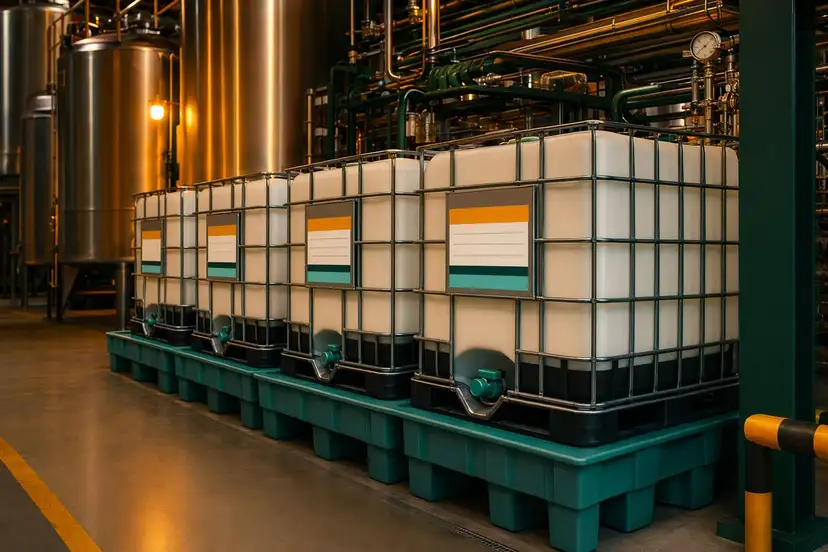
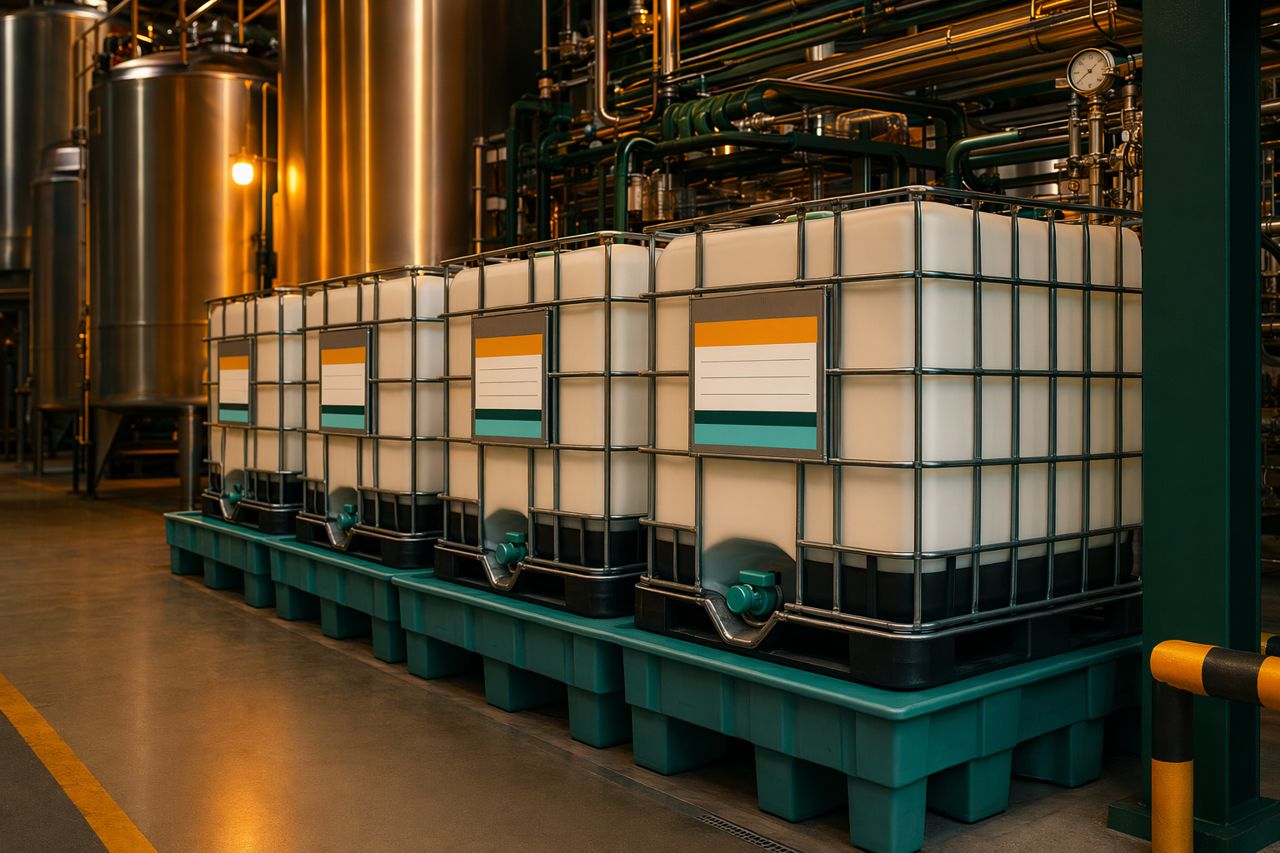
Bulk industrial enzymes may be supplied in different packaging formats depending on plant scale, dosing design, transport route, and storage constraints. Before selecting a format, confirm:
- Whether your site can unload and move the packaging safely
- Whether the container suits your existing chemical storage area
- Whether operators can connect, decant, or pump the material without improvised handling
- Whether the packaging supports traceability from receipt to use
- Whether partial-use storage is practical for your production cadence
The lowest container cost is not always the lowest operating cost. A format that reduces manual handling, contamination risk, and downtime can be more valuable than a small purchase-price difference.
2. What storage conditions are required from arrival to dosing?
Ask for clear storage guidance before the shipment leaves the supplier. Your team should know whether the product requires temperature control, protection from direct sunlight, avoidance of freezing, segregation from incompatible chemicals, or special handling after opening.
Key questions include:
- What is the recommended storage environment?
- What conditions shorten usable life?
- What happens if the product experiences a temperature excursion during transit or storage?
- How should opened containers be managed?
- What inspection steps should receiving teams perform before acceptance?
For refinery operations, the answer must be simple enough for warehouse teams and shift supervisors to apply consistently.
3. How long can inventory be held without creating process risk?
Shelf life is not just a date on a label. It affects procurement planning, safety stock, campaign scheduling, and trial timing.
Before buying bulk volume, align on:
- Expected consumption rate at your planned dosing strategy
- Trial duration and ramp-up schedule
- Inventory rotation rules
- Whether the site will hold buffer stock for supply continuity
- How remaining material should be managed after a campaign or oilseed change
Overbuying can tie up working capital and increase storage risk. Underbuying can expose the refinery to interruption if demand rises or logistics slow down. The right volume plan should support uptime without forcing poor inventory discipline.
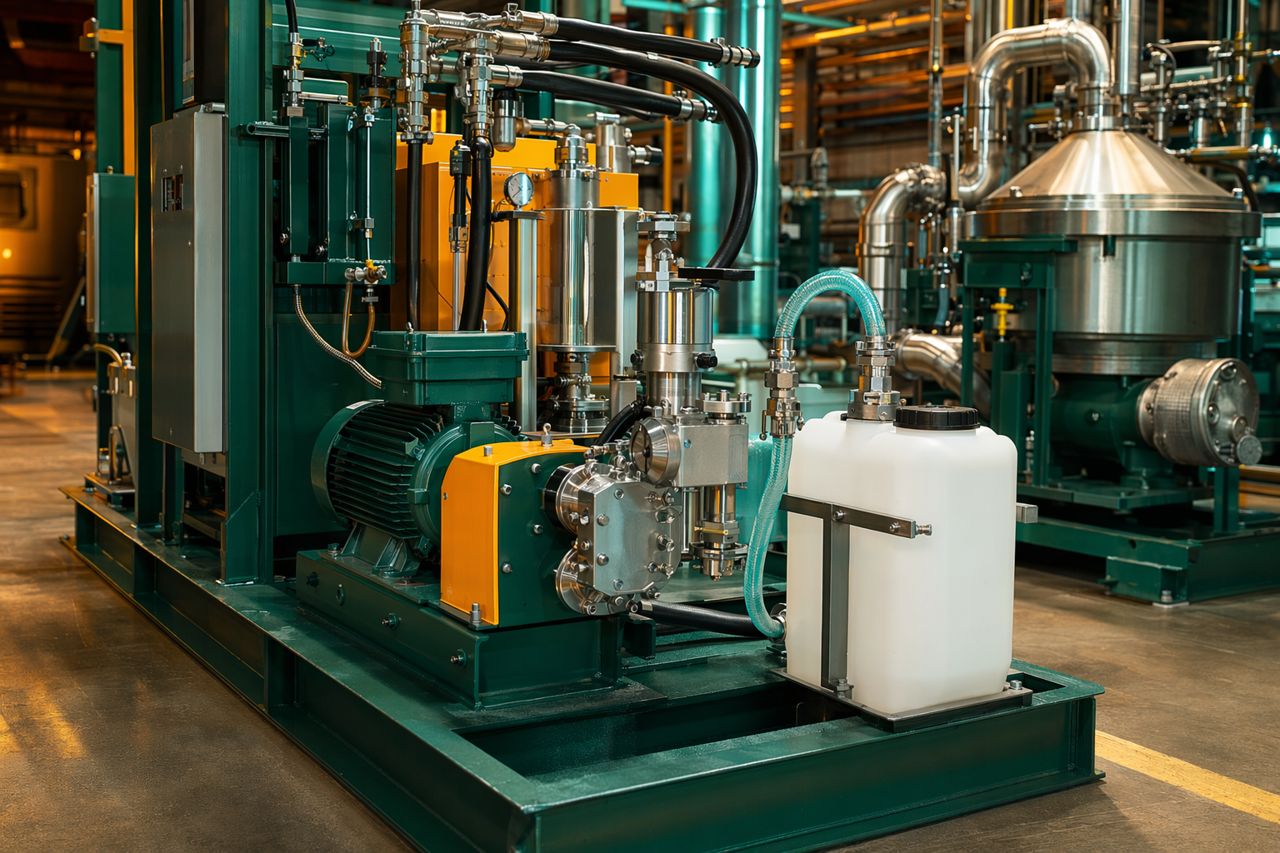
4. Will the enzyme work with your dosing equipment?
Bulk enzyme procurement should be reviewed with maintenance and operations, not only purchasing. Confirm that the product can be handled by the intended transfer and dosing system.
Discuss:
- Pump compatibility
- Viscosity behavior under expected storage conditions
- Need for gentle mixing before use
- Filtration or strainer expectations
- Line flushing procedures
- Dead-leg and residue management
- Materials of construction for contact parts
A well-specified dosing setup helps maintain stable feed rate, improves repeatability, and reduces operator guesswork during degumming.
5. What documentation will arrive with each lot?
Refineries need documentation that supports receiving, quality review, traceability, and audit readiness. Before ordering, confirm which documents are supplied and how quickly they are available.
Typical documentation questions:
- What lot identification appears on the container and paperwork?
- What certificate or quality statement is provided?
- What safety documentation is included?
- What transport and storage instructions are supplied?
- What change-notification process applies to product, packaging, or origin?
- Who is the technical contact if a receiving or performance question arises?
The goal is not paperwork for its own sake. The goal is fast decision-making when a shipment arrives, a trial starts, or a process deviation needs investigation.
Handling questions for plant-floor reliability
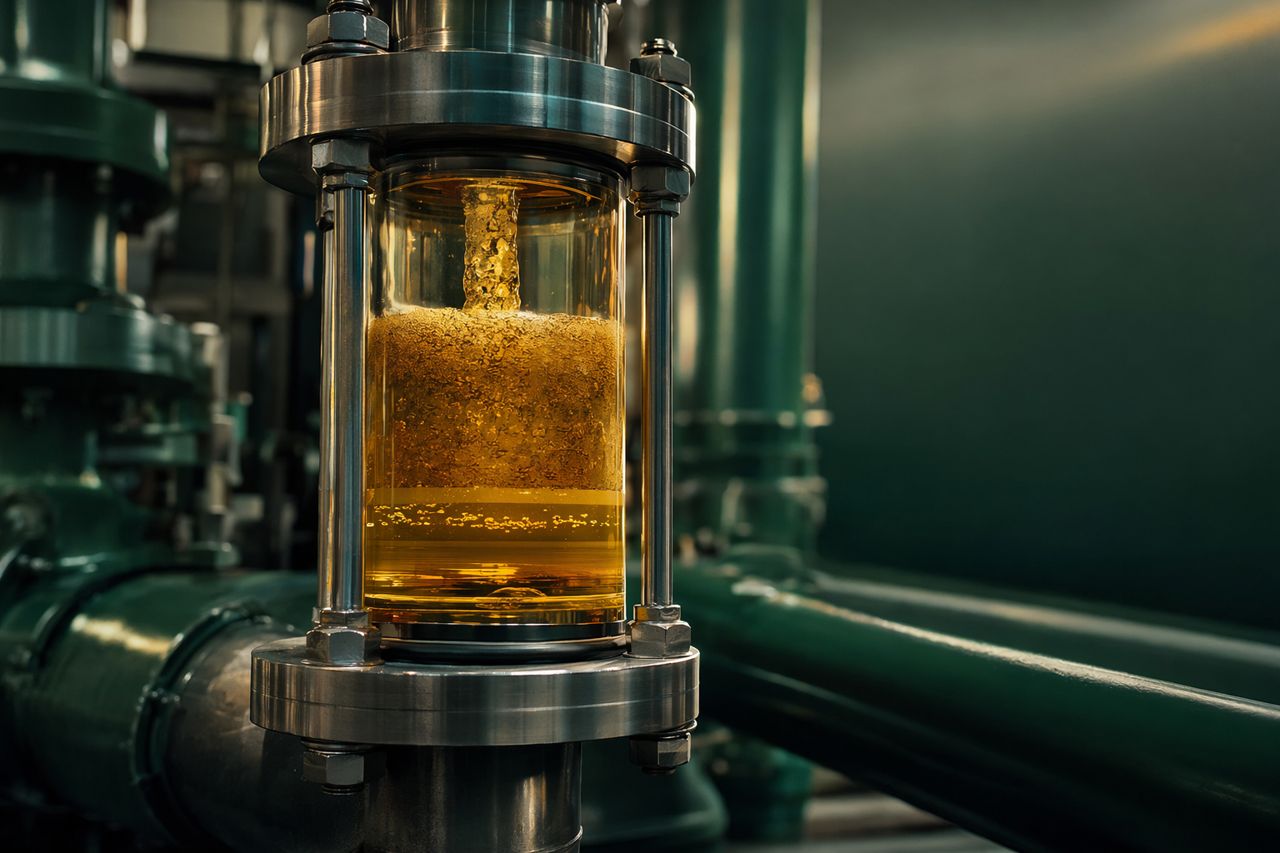
6. How should operators introduce the enzyme into the process?
The best addition point depends on your degumming layout, oil pretreatment, water and acid strategy, mixer performance, retention design, and centrifuge configuration. Procurement should verify that technical support is available to discuss process fit before the material is purchased.
Ask:
- Where should the enzyme be dosed relative to water or acid addition?
- What mixing conditions are required for reliable contact?
- How should start-up and shutdown dosing be controlled?
- What is the recommended approach during oilseed changes?
- How should operators respond if phosphorus results drift?
This is where supplier accountability matters. Enzyme supply for edible oil degumming should include process conversation, not only a shipment.
7. What are the contamination and cross-contact risks?
Industrial enzyme products should be protected from contamination that may reduce performance or create handling problems. Review plant practices around open containers, shared transfer tools, washdown areas, chemical storage, and return lines.
Good controls include:
- Dedicated or properly cleaned transfer equipment
- Closed handling where practical
- Clear labeling of opened containers
- Avoiding backflow into the enzyme container
- Keeping incompatible chemicals separated
- Training operators on basic hygiene and spill response
Small handling mistakes can become process variability that looks like a chemistry problem downstream.
8. How will the refinery verify performance during a trial?
For procurement, a trial should have defined success criteria before the first tote or drum arrives. The performance discussion should connect to commercial outcomes.
Useful trial measures include:
- Phosphorus reduction trend after degumming
- Centrifuge stability and gum discharge behavior
- Neutral oil loss in the separated phase
- Dosing repeatability across shifts
- Water and chemical usage impact
- Effect on downstream refining load
- Operator feedback on handling and control
A clear trial plan protects both sides. It keeps the conversation focused on measurable refinery value rather than isolated lab expectations.
Red flags before placing a bulk order
Pause the purchase process if any of these issues remain unclear:
- Storage guidance is vague or difficult to apply on site
- Packaging does not match your unloading or dosing reality
- There is no practical plan for opened-container management
- Documentation is incomplete or slow to access
- The supplier cannot discuss degumming process conditions
- Trial success criteria are not defined
- Lead time and resupply expectations are not aligned with production risk
- Operators are expected to improvise transfer, mixing, or dosing practices
A bulk enzyme order should reduce operating uncertainty, not create it.
A practical buying checklist
Before issuing the purchase order, align internally and with the supplier on the following:
- Target oil type and degumming objective
- Current phosphorus profile and desired post-degumming direction
- Existing water, acid, mixing, retention, and centrifuge setup
- Packaging format and unloading method
- Storage area and inventory rotation plan
- Dosing equipment and transfer procedure
- Documentation requirements
- Trial protocol and decision criteria
- Lead time, safety stock, and resupply plan
- Technical support contact during start-up
This checklist helps procurement buy for performance, not only for volume.
How Clarivane supports refinery buying decisions
Clarivane supplies enzyme solutions for edible oil degumming with a plant-floor view of implementation. We focus discussions on the practical factors that determine refinery value: dosing control, phosphorus targets, centrifuge behavior, neutral oil loss, trial design, storage discipline, and reliable supply planning.
Whether you are comparing suppliers, preparing a first trial, or reviewing how bulk enzyme storage fits your site, Clarivane can help structure the conversation around process accountability and commercial outcome.
Ready to evaluate bulk enzyme supply for your refinery?
Share your oil type, degumming setup, packaging preference, and target performance expectations. Clarivane will respond with a practical supply discussion and quote pathway for your site.
Request a quote