Supporting enzymes for edible oil refinery process trials
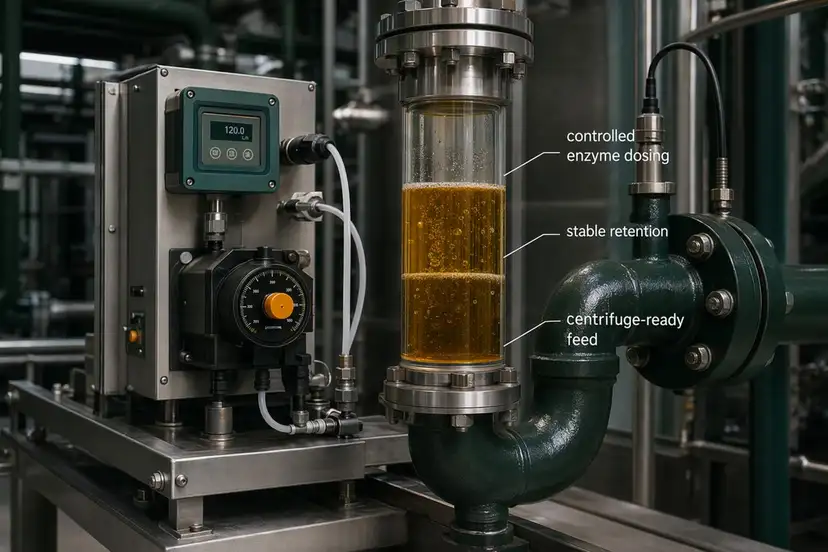
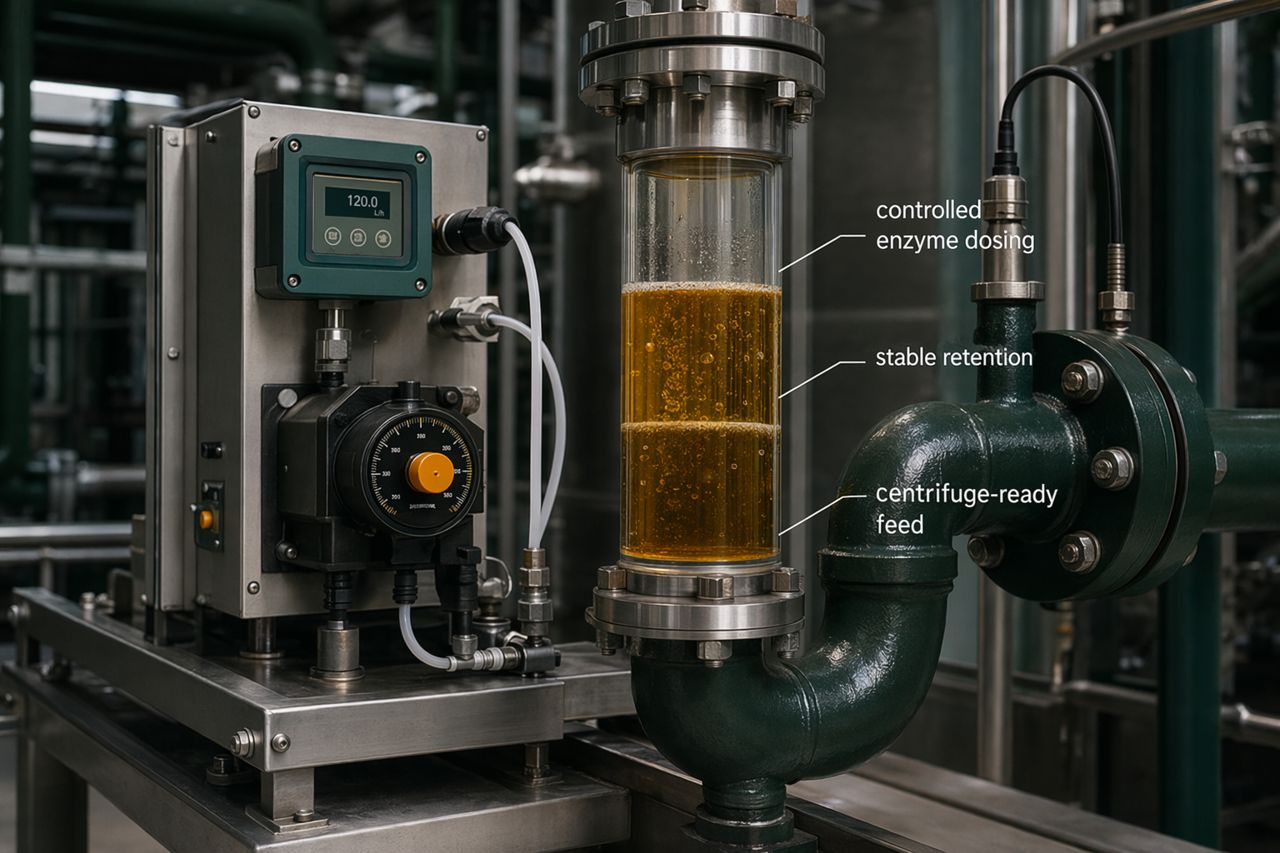
Clarivane supplies supporting enzyme solutions for edible oil refineries that want tighter control during degumming trials, especially when crude oil variability, gum hydration, emulsion behavior, or centrifuge loading is limiting performance.
As an enzyme supplier for edible oil degumming, we do not treat lipase and protease as generic catalog items. In refinery service, these enzymes need a clear process reason, defined trial limits, and accountability against plant-floor outcomes: phosphorus reduction, dry gums behavior, neutral oil loss, separator stability, wash water demand, and downstream caustic or bleaching performance.
Our role is to help your team evaluate whether a supporting enzyme belongs in the trial plan, how it should be introduced, and what operating data should decide scale-up.
Why supporting enzymes are considered in degumming trials
Most enzymatic degumming programs are built around phospholipid conversion. Supporting enzymes may be evaluated when the refinery is dealing with crude oil behavior that does not respond cleanly to hydration, acid conditioning, retention time, and centrifugation alone.
Typical trial drivers include:
- Persistent phosphorus carryover after standard enzymatic degumming
- Heavy or unstable gum phase affecting separator throughput
- Emulsion formation that increases neutral oil loss
- Crude oil lots with proteinaceous or complex non-hydratable impurities
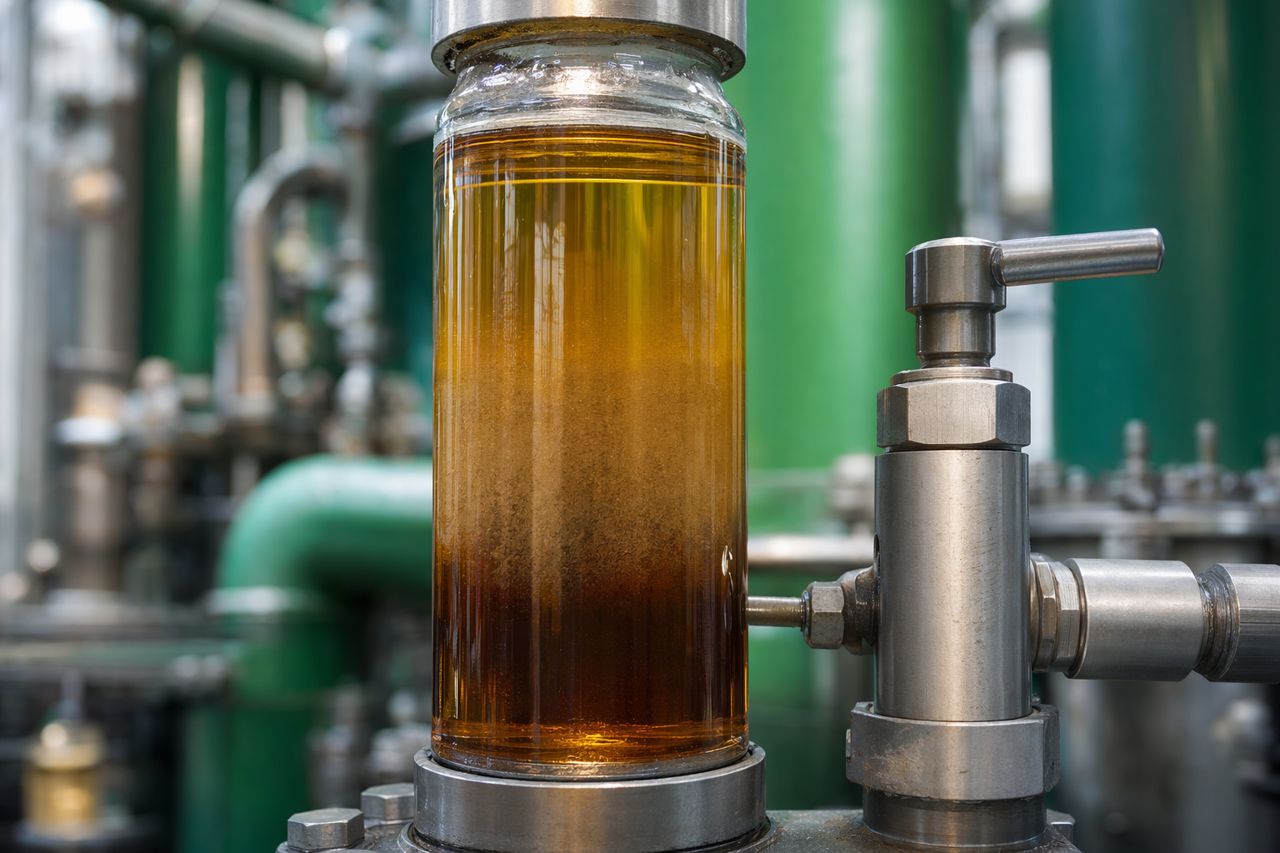
- Poor phase split after water addition or acid conditioning
- Need to protect yield while reducing chemical intensity
- Variability between soybean, rapeseed/canola, sunflower, rice bran, corn, or mixed crude oil streams
Clarivane helps refinery teams separate useful enzyme opportunities from unnecessary complexity.
Lipase support: controlled use, not open-ended dosing
Lipase can be useful in specific refinery development work, but it must be handled with discipline. Uncontrolled lipase activity can push free fatty acid formation and create downstream cost. For that reason, Clarivane positions lipase as a supporting trial tool only when the process objective is clear and the control window is acceptable.
Potential trial interests may include:
- Studying gum/oil interface behavior in difficult crude oil lots
- Evaluating emulsion break support under defined retention conditions
- Testing whether limited lipid modification improves separation stability
- Comparing yield impact against conventional chemical adjustment
Clarivane supports lipase trials with practical guidance around where to introduce the enzyme, how to monitor response, when to stop the trial, and which refinery KPIs should drive the decision.
Protease support: targeting protein-linked refinery complications
Some crude oils carry minor proteinaceous materials or complexes that contribute to haze, interface instability, and poor separation. Protease may be considered as a supporting enzyme where these materials are suspected to influence degumming consistency.
In a controlled trial, protease support may be evaluated for:
- Improved clarification behavior in selected crude oil streams
- Reduced interface rag layer formation
- Better centrifuge discharge consistency
- Lower entrained oil in the gum phase
- More predictable downstream bleaching or neutralization response
Clarivane does not recommend protease as a universal refinery additive. We help determine whether the crude oil problem is enzyme-addressable before moving into plant-scale use.
Built for plant trials, not lab curiosity
A successful supporting enzyme trial should answer commercial questions, not just show chemistry. Clarivane structures edible oil refinery trials around measurable plant outcomes.
Trial planning focus
- Crude oil source, lot variation, and pretreatment history
- Existing acid, water, and retention conditions
- Heat profile and mixing quality
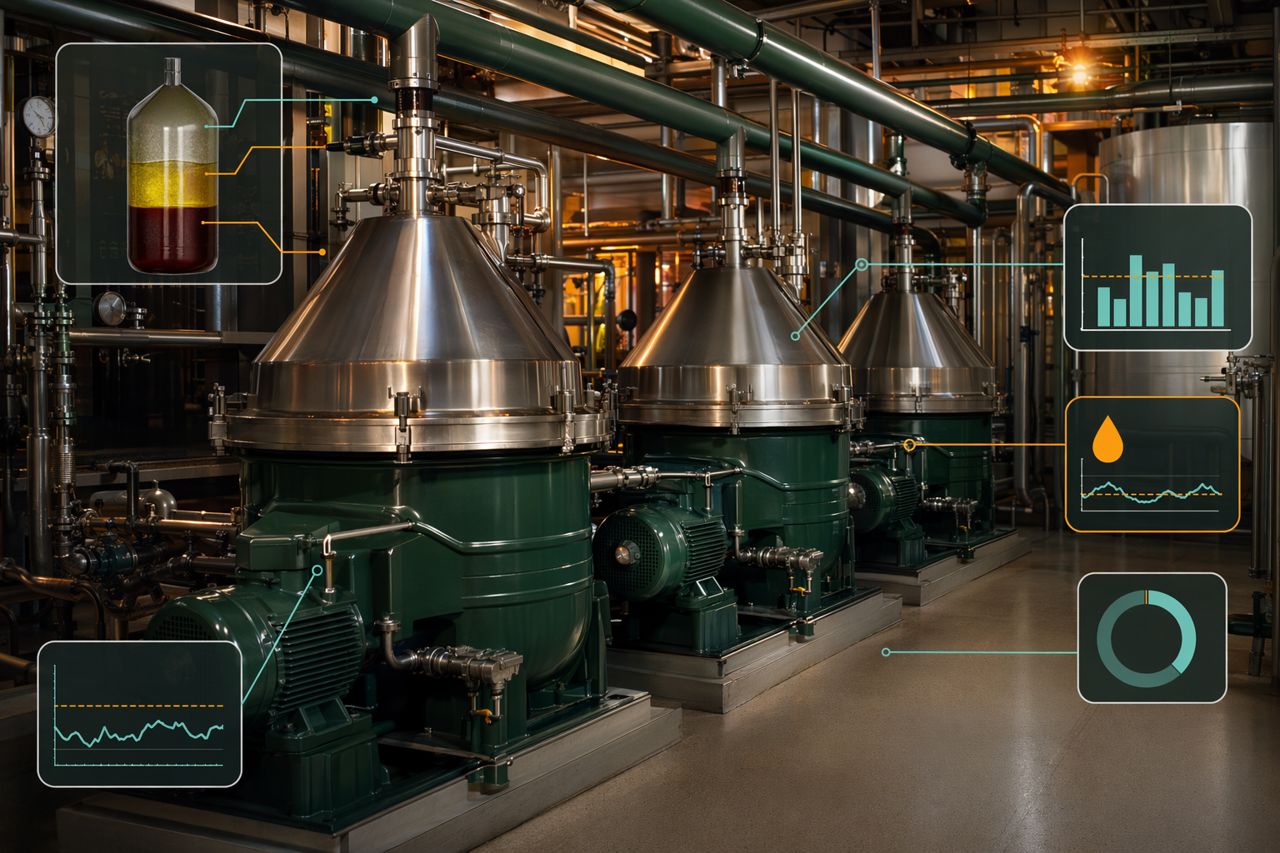
- Separator load, torque behavior, discharge frequency, and phase split
- Phosphorus target before bleaching or neutralization
- Neutral oil loss in gums and wastewater
- Impact on throughput, downtime, and operator workload
- Practical dosing control and storage conditions
Decision metrics
A supporting enzyme should only move forward if it improves the refinery’s economics or operating stability. Common decision points include:
- Lower residual phosphorus at the same or lower chemical burden
- Cleaner centrifuge separation and reduced rag layer instability
- Lower neutral oil loss into gums
- Reduced rework, tank settling time, or filtration pressure issues
- More consistent performance across crude oil variability
- Acceptable handling, dosing, and supply logistics
Integration with enzymatic degumming programs
Clarivane can support supporting-enzyme trials alongside your core enzymatic degumming strategy. That may include phospholipid-focused treatment, supporting enzyme screening, or a staged trial that compares enzyme combinations against your current acid/water degumming baseline.
We help technical and procurement teams align on:
- Application fit before purchase commitment
- Trial quantities matched to plant reality
- Dosing and addition-point recommendations
- Documentation for internal approval
- Repeat supply planning after successful validation
- Commercial scale-up without changing the refinery’s operating discipline
Supply reliability matters when the trial works
Refinery managers cannot build process improvements around uncertain supply. Clarivane supports B2B buyers with consistent product availability, responsive technical communication, and quote-based supply planning for pilot, plant trial, and recurring production needs.
If a supporting enzyme proves value in your line, we help you move from trial drums or totes to a stable supply program with clear lead times and procurement documentation.
When to request a quote
Request a quote if your refinery is evaluating lipase, protease, or a supporting enzyme package for a defined edible oil degumming trial.
Useful details to include in the form:
- Oil type and crude oil source
- Current degumming method
- Main issue: phosphorus, emulsion, gum loss, separator behavior, or yield
- Trial scale and expected timing
- Current target after degumming
- Packaging preference and delivery location
Request a quote using the on-site form
Clarivane will review the process context and respond with a practical supply recommendation for your refinery trial.